


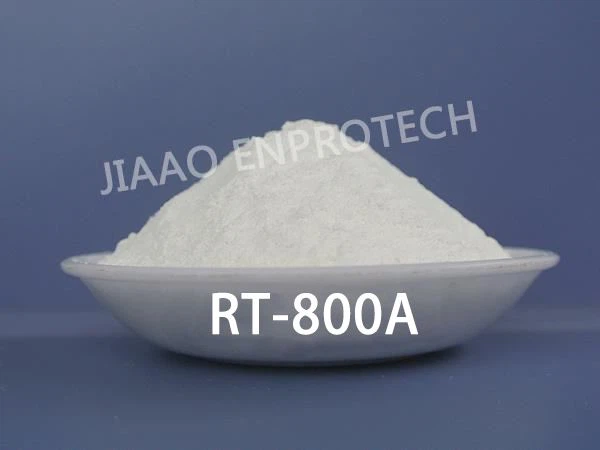
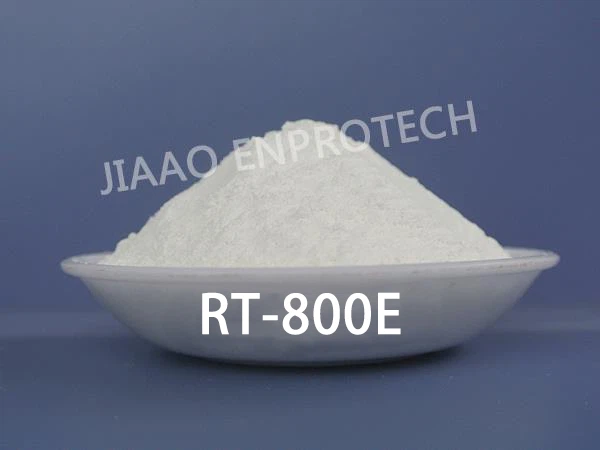
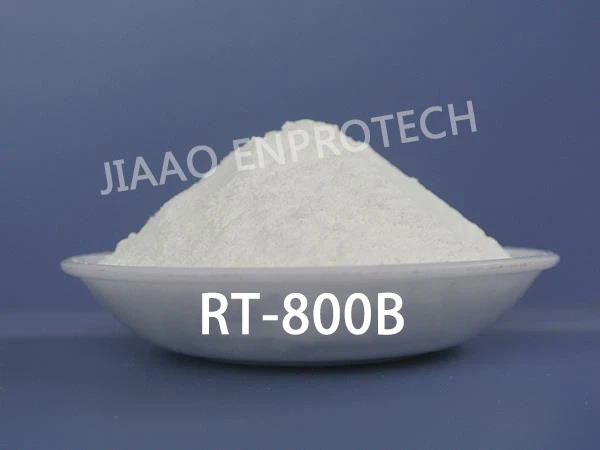
Ca-Zn Stabilizer, short for Calcium – Zinc Stabilizer, is a chemical formulation commonly used in the manufacturing and processing of polyvinyl chloride (PVC). It serves the crucial role of providing thermal stability and aiding in the stabilization of PVC during various stages of its production. Ca-Zn Stabilizer commonly appears in the form of fine powder.
Advantages of Ca-Zn Stabilizers
Thermal stability
Calcium zinc stabilizers exhibit excellent thermal stability, allowing them to withstand high processing temperatures without significant degradation. This property ensures consistent performance during PVC processing, resulting in products with enhanced heat resistance. The heat stability contributes to the improved long-term performance of PVC products, even under high-temperature conditions.
Weatherability
Calcium zinc stabilizers provide excellent weather resistance to PVC products, protecting them from degradation caused by exposure to UV radiation, moisture, and other environmental factors. This property is particularly beneficial for outdoor applications, where durability and colour retention are essential.
Environment-friendly
Calcium zinc stabilizers from the best Calcium zinc stabilizer manufacturer are considered environmentally friendly alternatives to traditional lead-based stabilizers. They do not contain heavy metals like lead or cadmium, making them safer for both human health and the environment.
Cost-effectiveness
The density of calcium zinc heat stabilizer is lower than lead stabilizer, and the weight of PVC products will decrease.These stabilizers offer a cost-effective solution for PVC processing and formulation. Compared to other stabilizer systems, they provide competitive pricing while delivering excellent performance and durability.
Versatility
Highly versatile, this kind of stabilizer can be used in a wide range of PVC applications, including pipes, profiles, cables, and films. Their compatibility with various PVC formulations makes them suitable for different industries and product types.
Sulfur resistance
Use lead stabilizer is prone to sulfur pollution in the presence of sulfur elements (such as acid rain and packaging box), resulting in yellowing, discoloration and even blackening of white products, which seriously affects the appearance of PVC plastics. Ca/Zn stabilizer will not appear this phenomenon
Prevention of black lines
Calcium zinc stabilizer has its own lubrication performance and plasticization is adjustable, which can effectively prevent black line caused by equipment and plasticization problems.




Why Choose Us
Our factory
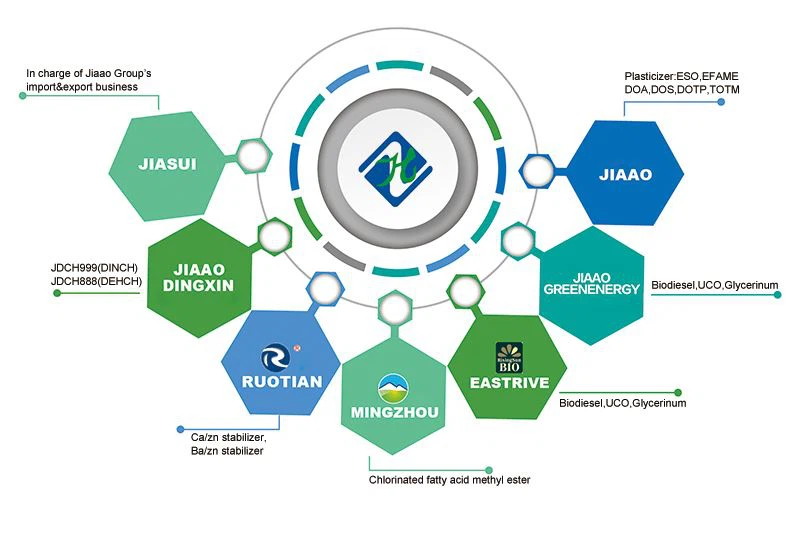
JIAAO ENPROTECH was founded in Jan, 2003, specializing in research, production and sales of environment friendly plasticizers. Company was listed on Shanghai Stock Exchange A-share on April 28, 2016, stock code 603822.
High quality
We are manufacturers of environmentally friendly plasticizers, stabilizers, and biodiesel, specializing in the development of eco-friendly, renewable, and biodegradable bio-based plasticizers. Our diverse range of products is widely used in various plastic product sectors associated with daily life.
Quality control
Our company manufactures a wide range of non-toxic, environment-friendly plasticizers, the main plasticizers are registered in EU's REACH, testified by SGS, products reach the international Non-toxic and environmental protection Standard .
Professional team
Recognized as a National Torch Program high-tech enterprise, the company holds numerous national patents and actively contributes to industry standards.With a robust R&D system and talent cultivation mechanism, including recruitment of PhDs and Masters, the company focuses on high-value biomass energy products research.
Innovation
With a vision to become a global leader in environmental biomass energy, the company's efforts in product innovation and development aim to drive advancements in this field.
Types of Ca-Zn Stabilizers

Paste calcium zinc stabilizer
Paste Calcium Zinc Stabilizer, also known as Calcium Zinc paste stabilizer, is a type of stabilizer widely used in the production of polyvinyl chloride (PVC) products. It is a blend of Calcium Zinc compounds in a paste-like form, which makes it convenient to handle and incorporate into PVC formulations.

Powdered calcium zinc stabilizer
Powdered calcium zinc stabilizer thermal stability as lead salt, has its own a certain degree of lubrication, poor transparency, easy to spray cream and other characteristics. In order to improve its stability and transparency, often added hindered phenol, polyol, Ca-Zn Stabilizer phosphite and β-diketone and other antioxidants to improve.

Liquid Calcium Zinc Stabilizers
Liquid calcium zinc stabilizers tend to be more compatible with other additives and plasticizers, making them a popular choice in applications requiring enhanced plasticity and flexibility, such as films, sheets, and softer pvc products. Furthermore, the liquid form often presents an increased handling efficiency, allowing for more precise measurement and reduced dust generation during processing.
Application of Ca-Zn Stabilizers
PVC Pipes and Fittings
One of the primary applications of calcium zinc stabilizers is in the manufacturing of PVC pipes and fittings. These stabilizers provide excellent heat stability and UV resistance, making them ideal for outdoor applications. They also improve the mechanical properties of PVC pipes and fittings, making them more durable and long-lasting. Calcium zinc stabilizers are also free of heavy metals, making them environmentally friendly.
Wires and Cables
Calcium zinc stabilizers are also used in the manufacturing of PVC-insulated wires and cables. They improve the thermal stability of PVC, which is important for various service temperature of wires and cables application. Additionally, they help to reduce the amount of smoke and toxic gases produced during a fire, making them a safer option for electrical applications.
Profiles and Sheets
Calcium zinc stabilizers help to improve the durability and impact resistance of PVC, making it suitable for a wide range of outdoor applications such as PVC profiles and sheets. They provide excellent colour, good stability, ensuring that the PVC products maintain their appearance over time.
Flooring
In the manufacturing of PVC flooring products, these stabilizers improve the mechanical properties of the flooring, making it more resistant to wear and tear. The excellent heat stability provided by calcium zinc stabilizers ensures that the flooring maintains its shape and appearance over time. Additionally, they provide good electrical insulation properties, making them ideal for use in commercial and industrial settings.
Medical Devices
Calcium zinc stabilizers also support the manufacturing of medical devices made from PVC. These stabilizers are biocompatible and do not contain any heavy metals, making them safe for use. Additionally, All materials being used here are approved for the use in medical applications and food contact plus the heat stability provided by the stabilizers also makes the devices more long-lasting. Calcium zinc stabilizers, with other additives and calcium stearates, are an essential ingredient in the manufacturing of PVC products. By choosing calcium zinc stabilizers, manufacturers can produce high-quality PVC products that are safe, durable, and long-lasting.
Components of Ca-Zn Stabilizers

Calcium
This element contributes to the stabilizing effect by forming complexes that help mitigate the degradation of PVC under heat and other environmental conditions.
Zinc
Zinc acts synergistically with calcium to provide additional stabilization, especially against thermal and UV-induced degradation.
How does calcium zinc stabilizer work?
Hydrochlorination
PVC is produced through the polymerization of vinyl chloride monomers. During processing or exposure to heat, PVC can undergo dehydrochlorination, leading to the release of hydrogen chloride (HCl)
Reaction with calcium zinc stabilizer
Calcium zinc stabilizers act as heat stabilizers by reacting with the hydrogen chloride produced in the process. The stabilizer forms a complex with HCl through a reaction known as acid scavenging
Prevention of dehydrochlorination
The formation of the stabilizer-HCl complex prevents further dehydrochlorination reactions in the PVC polymer, inhibiting the breakdown of polymer chains
Heat stabilization
The stabilizer also acts as a heat stabilizer by absorbing and dissipating the heat generated during processing, preventing excessive temperature rise and thermal degradation of PVC.
UV Light stabilization
Calcium zinc stabilizers play a role in protecting PVC from UV light-induced degradation. They absorb and neutralize free radicals generated by UV radiation, reducing the likelihood of chain scission in the polymer.
Synergistic effects
Calcium zinc stabilizers may work in synergy with other additives like co-stabilizers. For example, phosphite compounds can act as co-stabilizers, providing additional protection against heat and oxidative degradation.
Formation of complexes
Calcium zinc stabilizers form complexes with PVC, influencing the material's overall stability. These complexes help maintain the structural integrity of the polymer under various environmental conditions.
What Are the Trends and Development Directions of Ca-Zn Stabilizers in the Market
Regulatory Compliance: Regulatory compliance is a significant market driver for the calcium zinc stabilizers market. As environmental concerns grow, governments worldwide are enforcing stricter regulations regarding the use of lead-based stabilizers and other harmful materials in plastics. Calcium zinc stabilizers offer a non-toxic alternative that aligns with these regulations, appealing to manufacturers aiming to avoid penalties and meet industry standards. This shift not only enhances product safety but also promotes sustainability, driving manufacturers to adopt calcium zinc stabilizers to comply with regulations related to environmental protection and health safety. Consequently, the increasing enforcement of regulations fuels market growth.
Growing Demand from the Automotive Industry: The automotive industry is witnessing increasing demand for calcium zinc stabilizers due to a surge in the production of lightweight, durable materials. As manufacturers seek to enhance the performance and longevity of automotive components, the benefits of calcium zinc stabilizers become evident, including their ability to improve thermal stability and weather resistance in plastic parts. The growing trend towards electric vehicles and other innovations in automotive design further drives the demand for advanced materials, where calcium zinc stabilizers play a critical role. Thus, the expanding automotive sector significantly influences the growth of the calcium zinc stabilizers market.
Rise in PVC Applications: The rise in polyvinyl chloride (PVC) applications across various industries is a crucial market driver for calcium zinc stabilizers. PVC is a widely used plastic, especially in construction, and incorporates calcium zinc stabilizers to improve its stability and performance. As infrastructure projects grow globally, the demand for PVC in insulation, flooring, and windows increases, thus propelling the need for effective stabilizers. Additionally, the construction industry's shift towards more sustainable materials boosts the attractiveness of calcium zinc stabilizers, as they provide an eco-friendly alternative to traditional stabilizers, contributing to the expansion of the calcium zinc stabilizers market.
Sustainable and Eco-Friendly Alternatives: The increasing consumer and manufacturer awareness of sustainability drives demand for eco-friendly products, particularly in the plastics sector. Calcium zinc stabilizers are marketed as safer alternatives to traditional lead-based or other hazardous stabilizers, making them attractive to companies aiming for greener production methods. Many end-users are prioritizing sustainable materials, pushing manufacturers to innovate and adopt environmentally friendly stabilizers in their products. As more industries shift towards sustainability, the demand for calcium zinc stabilizers is expected to grow, significantly impacting market dynamics and fostering a more eco-conscious supply chain.
Technological Advancements: Technological advancements in the production and formulation of calcium zinc stabilizers contribute significantly to market growth. Innovations such as improved processing techniques, enhanced formulations, and the development of multifunctional additives lead to more efficient and effective stabilizers. These advances enable manufacturers to produce higher-quality PVC and other plastic materials with superior performance characteristics. Additionally, ongoing research and development efforts are focused on improving the functionality of calcium zinc stabilizers, thus broadening their applicability across industries. As technology continues to evolve, companies must adopt these advancements to maintain competitiveness, further driving the calcium zinc stabilizers market.
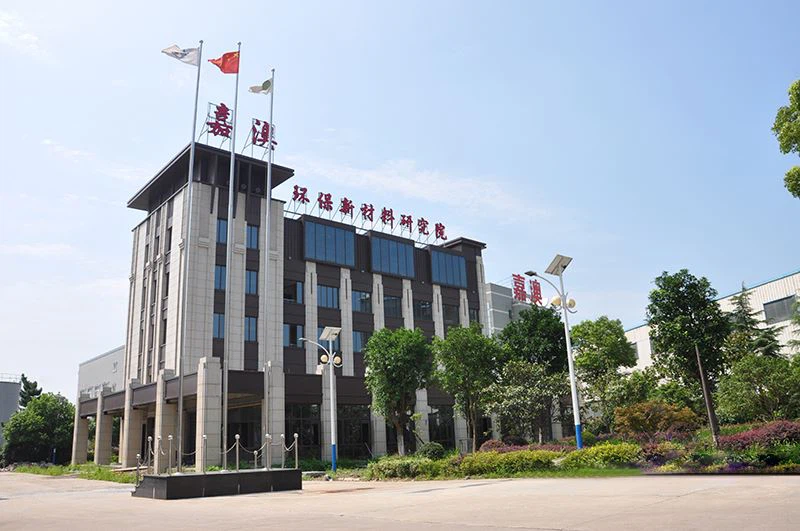
Our Factory
Jiaao enprotech was founded in Jan, 2003, specializing in research, production and sales of environment friendly plasticizers. Company was listed on Shanghai Stock Exchange A-share on April 28, 2016, stock code 603822.After years of hard work, JIAAO ENPROTECH now has formed the 3 main product species, i.e. Epoxy products, Fossil products and Multifunctional composite products. Our plasticizers are widely used in cable, artificial leather, flocking, light box membrane, plastic film, plastic decking, outdoor water pipe, etc.

Our certificates


video
FAQ
Q: What are stabilizers or emulsifiers?
Q: What are the different types of stabilizers in chemistry?
Q: What is Stabiliser used for?
Q: Is stabilizer good for health?
Q: What is a stabilizer in medicine?
Q: What are organic stabilizers?
Q: Are stabilizers organic or inorganic?
Q: What is Stabiliser used for?
Q: What is the mechanism of action of stabilizers?
Q: What is the difference between stabilizer and thickener?
Q: What is an UV stabilizer?
Q: What is CA Zn stabilizer used for?
Q: What is barium zinc stabilizer used for?
Q: What are the ingredients in calcium zinc stabilizer?
Q: What is stabilizer 436?
Q: What is stabilizer 440?
Q: What is 415 Stabiliser?
Q: What is stabilizer 471 called?
Glycerol monostearate, commonly known as GMS, is an organic molecule used as an emulsifier. GMS is a white, odorless, and sweet flaky powder that is hygroscopic. E471 prevents the formation of fat bloom on confectionery and truffles.
Q: What are the different chemical stabilizers?
Q: What are the different types of stabilizers in food?
Hot Tags: ca-zn stabilizers, China ca-zn stabilizers manufacturers, suppliers, factory, Powder Heat Stabilizer, Stabilizer, Liquid heat stabilizer, Ca Zn Stabilizer, Food stabilizer, Stabilizers


